

Education is continuously evolving with advancements in technology. Traditional classroom teaching remains important, but modern tools such as interactive displays, digital learning platforms, multimedia resources, and educational applications are making lessons more engaging and effective. Zia International School understands the importance of combining technology with strong teaching practices to create a learning environment that prepares students for the future.
Smart classrooms are not simply about using computers or screens. They are designed to make learning more interactive, visual, collaborative, and accessible. When technology is used appropriately alongside experienced teachers, students can develop stronger conceptual understanding and important skills for academic and professional success.
What Is a Smart Classroom?
A smart classroom is a technology-enabled learning environment where teachers use digital tools to enhance conventional teaching methods. Interactive boards, presentations, educational videos, digital simulations, online resources, and subject-specific applications can help explain complex topics in an easier and more engaging way.
For example, instead of explaining a scientific process only through a textbook diagram, teachers can use animations or simulations to demonstrate how the process works. Similarly, maps, timelines, virtual models, and interactive exercises can make subjects such as mathematics, science, history, and geography more interesting.
- Makes Learning More Interactive
One of the biggest advantages of smart classrooms is increased student participation. Instead of passively listening to a lecture, students can interact with digital content, answer questions, participate in activities, and explore concepts visually.
Interactive learning can encourage curiosity and help students become more involved in the classroom. It also gives teachers opportunities to identify areas where students may need additional explanation.
- Helps Students Understand Complex Concepts
Some academic concepts can be difficult to understand through text alone. Technology can convert abstract ideas into visual and practical learning experiences.
Animations, diagrams, videos, simulations, and digital models can help students understand complicated concepts step by step. This approach can be particularly useful for science and mathematics, where conceptual clarity plays an important role in academic performance.
- Supports Different Learning Styles
Every student learns differently. Some students understand concepts better through visuals, while others benefit from demonstrations, discussions, or practical activities.
Technology gives teachers access to multiple ways of presenting the same topic. By combining explanations with videos, graphics, quizzes, and interactive activities, classrooms can accommodate different learning preferences and make lessons more inclusive.
- Encourages Independent Learning
Modern technology provides students with access to a wide range of educational resources. With appropriate guidance, students can review lessons, explore additional information, practice questions, and strengthen areas in which they need improvement.
This encourages students to take greater responsibility for their education. Developing independent learning habits can benefit students not only in school but also during higher education and competitive examinations.
- Improves Digital Skills
Digital literacy has become an essential skill in today’s world. Students will increasingly encounter technology in higher education, workplaces, communication, research, and everyday life.
Smart classrooms introduce students to technology in an educational and structured environment. They can learn how to search for information, use digital resources responsibly, create presentations, collaborate online, and evaluate information critically.
- Makes Assessment More Efficient
Technology can also support regular assessment. Digital quizzes, online assignments, practice tests, and interactive exercises can provide teachers with useful insights into student performance.
Regular assessments help identify learning gaps before they become major challenges. Teachers can then provide additional practice or explanation based on individual student needs.
- Supports JEE and NEET Foundation Learning
For students interested in competitive examinations such as JEE and NEET, technology can provide valuable supplementary learning resources. Digital question banks, simulations, practice tests, recorded explanations, and interactive study materials can complement classroom instruction.
At Zia International School, technology-supported learning can work alongside academic guidance to help students build strong fundamentals. Early conceptual clarity is especially important for students preparing for demanding academic pathways.
- Makes Learning More Engaging
Students naturally interact with technology in many areas of their lives. Bringing carefully selected digital resources into education can make classroom lessons more relatable and engaging.
However, technology should support—not replace—the teacher. A skilled teacher remains essential for explaining concepts, answering questions, encouraging critical thinking, and understanding individual student needs.
Building a Future-Ready Learning Environment
The purpose of modern education is not simply to provide information. Students also need problem-solving abilities, creativity, communication skills, collaboration, critical thinking, and digital awareness.
Smart classrooms can contribute to these goals when technology is integrated thoughtfully into the curriculum. Schools that combine modern infrastructure with qualified teachers, strong academic programs, discipline, and holistic development can create a more effective learning environment.
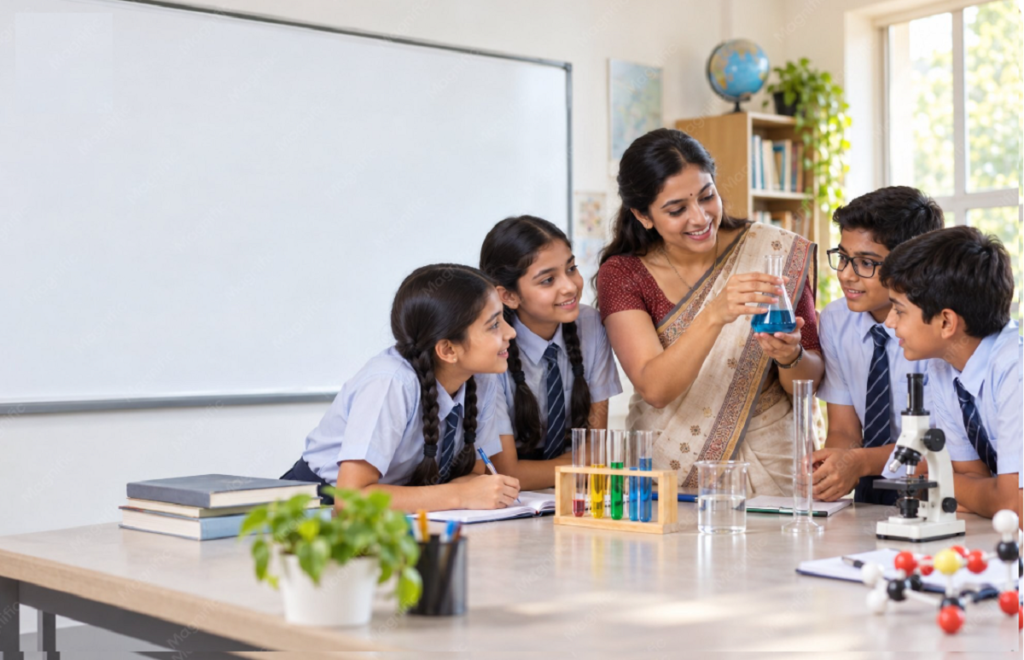
Zia International School focuses on providing students with an educational environment where traditional academic foundations and modern learning approaches can work together. By using technology as a tool for better teaching and learning, students can become more confident, curious, and prepared for future academic challenges.
Conclusion
Smart classrooms and educational technology are becoming an important part of modern education. From making difficult concepts easier to understand to encouraging independent learning and improving digital skills, technology can significantly enhance the classroom experience.
The most effective approach is a balanced one: technology should complement experienced teachers rather than replace them. With the right combination of teaching, technology, practical learning, and academic support, students can develop the knowledge and skills needed to succeed in an increasingly digital world.
FAQs
- What is the purpose of a smart classroom?
A smart classroom uses digital tools such as interactive displays, multimedia resources, simulations, and educational applications to make teaching more engaging and improve students’ understanding. - How does technology improve student learning?
Technology can make lessons more visual and interactive, provide additional learning resources, support practice, and help students understand complex concepts more effectively. - Can smart classrooms help with competitive exam preparation?
Yes. Digital practice tests, question banks, simulations, and multimedia resources can supplement classroom teaching and help students strengthen their academic fundamentals. - Does technology replace teachers in smart classrooms?
No. Technology is a teaching aid. Teachers remain essential for explaining concepts, guiding students, assessing progress, and providing personalized support. - Why is digital literacy important for students?
Digital literacy helps students use technology responsibly and effectively for research, communication, education, collaboration, and future academic or professional activities. - How does Zia International School use modern learning approaches?
Zia International School combines academic teaching with modern educational approaches and technology-supported learning to create an engaging environment focused on students’ academic and overall development.