

Choosing the right school is one of the most important decisions parents make for their children. A good school does more than provide academic knowledge—it helps children develop confidence, discipline, communication skills, creativity, critical thinking, and social awareness. With many educational institutions available across Bangalore, finding the Best CBSE School in Bangalore can sometimes feel challenging.
The Central Board of Secondary Education (CBSE) curriculum is widely preferred by parents because of its structured academic framework, focus on conceptual learning, and nationwide recognition. However, every CBSE school has its own teaching approach, facilities, extracurricular activities, and learning environment.
Here are some important factors parents should consider before selecting a CBSE school in Bangalore.
- Check the School’s Academic Approach
Academics are an important consideration when selecting a school. Instead of looking only at examination results, parents should understand how the school teaches different subjects.
A good CBSE school should encourage students to understand concepts rather than simply memorise answers. Ask about teaching methodologies, classroom activities, assessments, project-based learning, and individual attention.
You can also review the school’s academic performance and understand how it supports students who need additional help.
- Consider the School’s Location
Bangalore is a large city, and daily commuting can significantly affect a child’s routine. A school that is too far from home may result in long travel times, fatigue, and less time for homework, hobbies, family, and rest.
When looking for the Best CBSE School in Bangalore, consider the distance from your home and the usual traffic conditions. Also check whether the school provides safe and reliable transportation facilities.
A conveniently located school can make the daily routine more comfortable for both children and parents.
- Visit the Campus
Online information can help you create a shortlist, but visiting the school personally can provide a better understanding of its environment.
During your visit, observe:
- Classrooms and learning spaces
- Science and computer laboratories
- Library facilities
- Sports grounds
- Activity rooms
- Hygiene and cleanliness
- Safety arrangements
- Common areas
- Transportation facilities
Pay attention to whether the campus feels welcoming, organised, and suitable for children’s learning and development.
- Evaluate Teachers and Teaching Methods
Teachers strongly influence a child’s educational experience. Experienced and supportive teachers can make learning more engaging and help children overcome academic challenges.
Ask about teacher qualifications, experience, teacher-student ratios, professional development, and classroom interaction.
It is also helpful to know whether teachers communicate regularly with parents about a child’s academic progress, behaviour, strengths, and areas that need improvement.
- Look at Student-Teacher Ratio
Individual attention becomes particularly important during a child’s early years. If classrooms are overcrowded, teachers may have difficulty giving adequate attention to every student.
While comparing schools, ask about the average number of students in each classroom and how teachers support students with different learning needs.
A balanced student-teacher ratio can contribute to better classroom participation and personalised guidance.
- Check Extracurricular Activities
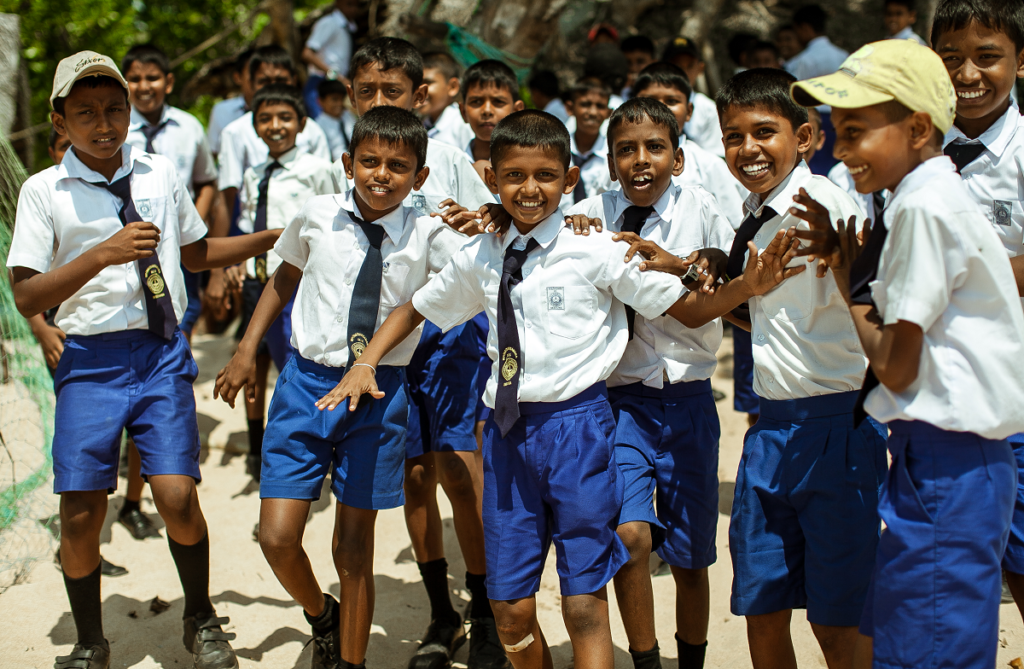
Education is not limited to textbooks and examinations. Children should have opportunities to explore their interests and develop skills outside academics.
Look for schools that provide activities such as:
- Sports and physical education
- Music
- Dance
- Art and craft
- Public speaking
- Debates
- Theatre
- Coding and technology
- Quiz competitions
- Clubs and student activities
These experiences can help children develop teamwork, creativity, confidence, communication, and leadership skills.
- Examine Sports and Physical Education Facilities
Regular physical activity is important for children’s overall development. Before choosing a school, check whether it provides suitable sports facilities and encourages students to participate in physical activities.
Depending on the campus, facilities may include football, cricket, basketball, badminton, athletics, indoor games, swimming, or other sports.
Parents should also ask whether students receive regular physical education classes and opportunities to participate in inter-school competitions.
- Understand Safety and Security Measures
Safety should be one of the highest priorities when selecting a school.
Ask about security arrangements, visitor management, CCTV monitoring, emergency procedures, fire safety, transportation monitoring, and supervision during school hours.
Parents should also understand how the school handles medical emergencies and whether trained staff or first-aid facilities are available on campus.
A safe environment allows children to concentrate on learning while giving parents greater peace of mind.
- Review School Infrastructure and Technology
Modern education increasingly uses digital tools to support classroom learning. When visiting a school, look at the quality of its infrastructure and educational technology.
Smart classrooms, computer laboratories, science laboratories, libraries, digital learning resources, and well-maintained classrooms can contribute to a more engaging educational experience.
However, technology should complement good teaching rather than replace meaningful teacher-student interaction.
- Consider the School’s Values and Environment
Every school has its own culture and educational philosophy. Parents should consider whether the school’s values are compatible with their expectations.
Find out how the school promotes discipline, respect, responsibility, teamwork, empathy, and good behaviour.
A positive school environment can help children become more confident and responsible individuals while developing their academic abilities.
- Check Parent-School Communication
Effective communication between parents and teachers can make a significant difference to a child’s education.
Ask how frequently parents receive updates about academic performance and school activities. Check whether the school organises parent-teacher meetings and whether parents can communicate with teachers when concerns arise.
Schools that maintain transparent communication can help parents better understand their child’s progress and support learning at home.
- Compare Fees and Additional Expenses
School fees are another important factor. Parents should understand the complete cost before making a decision.
Apart from tuition fees, ask about:
- Admission charges
- Transportation fees
- Books and uniforms
- Activity charges
- Examination fees
- Sports or club fees
- Meals, if applicable
- Other annual charges
Instead of choosing a school based solely on its fee structure, compare the overall educational facilities, teaching quality, activities, and support provided.
- Talk to Other Parents
Parents who already have children studying at a school can provide useful practical insights. They may be able to share their experiences regarding teaching, communication, transportation, activities, school management, and daily routines.
However, remember that experiences can differ from family to family. Use multiple opinions along with your own school visit and research.
- Consider Your Child’s Individual Needs
There is no single school that is perfect for every child. Your child’s personality, interests, learning style, age, strengths, and future goals should be considered.
For example, a child who enjoys sports may benefit from strong athletic facilities, while another child may be particularly interested in science, technology, music, or creative activities.
The Best CBSE School in Bangalore for your family should therefore be a school that provides an environment where your child can learn, participate, and grow comfortably.
Conclusion
Choosing the Best CBSE School in Bangalore requires more than comparing school names or examination results. Parents should consider academics, teachers, campus facilities, safety, extracurricular activities, location, communication, fees, and the overall learning environment.
Create a shortlist of schools, visit their campuses, ask detailed questions, and involve your child in the process where appropriate. Most importantly, focus on finding a school that supports both academic development and the overall growth of your child.
With careful research and a clear understanding of your family’s priorities, you can make a well-informed decision about your child’s education.
FAQs
- What should I look for in the Best CBSE School in Bangalore?
Look at academic quality, experienced teachers, student-teacher ratio, infrastructure, safety, extracurricular activities, sports facilities, location, fees, and communication between parents and teachers.
- Why do parents choose CBSE schools?
CBSE provides a structured curriculum with an emphasis on conceptual understanding and is recognised by schools and educational institutions across India. Parents should still compare individual schools before making a decision.
- How can I compare different CBSE schools in Bangalore?
Prepare a shortlist and compare each school based on academics, teaching methods, facilities, safety, activities, transportation, fees, location, and your child’s individual requirements.
- Should I visit a CBSE school before admission?
Yes. A campus visit allows parents to observe classrooms, facilities, cleanliness, security arrangements, activities, and the overall school environment.
- Is school location important when choosing a CBSE school?
Yes. Bangalore’s traffic can make long daily commutes tiring for children. A reasonably convenient location can make the school routine more comfortable.
- What extracurricular activities should a CBSE school offer?
Depending on the school’s facilities, activities may include sports, music, dance, art, theatre, public speaking, coding, quizzes, clubs, and other creative or skill-based programs.
- How important are teachers when selecting a school?
Teachers play a crucial role in classroom learning and student development. Parents should consider teacher qualifications, experience, classroom interaction, and the level of individual attention provided.
- Should fees be the main factor in choosing a school?
Fees are important, but they should be considered alongside teaching quality, facilities, safety, activities, transportation, and other services. Comparing the complete cost can help parents plan better.