

Leadership is more than holding a position of authority—it’s about inspiring others, making responsible decisions, communicating effectively, and solving problems with confidence. These qualities begin to develop early in life, and schools play a vital role in nurturing them. From classroom activities to sports, cultural events, and community initiatives, students are given opportunities to discover and strengthen their leadership potential.
Today, many Schools in Electronic City Phase-1 and Schools in Bangalore focus on holistic education, ensuring that students grow not only academically but also as confident, responsible, and compassionate individuals prepared to lead in the future.
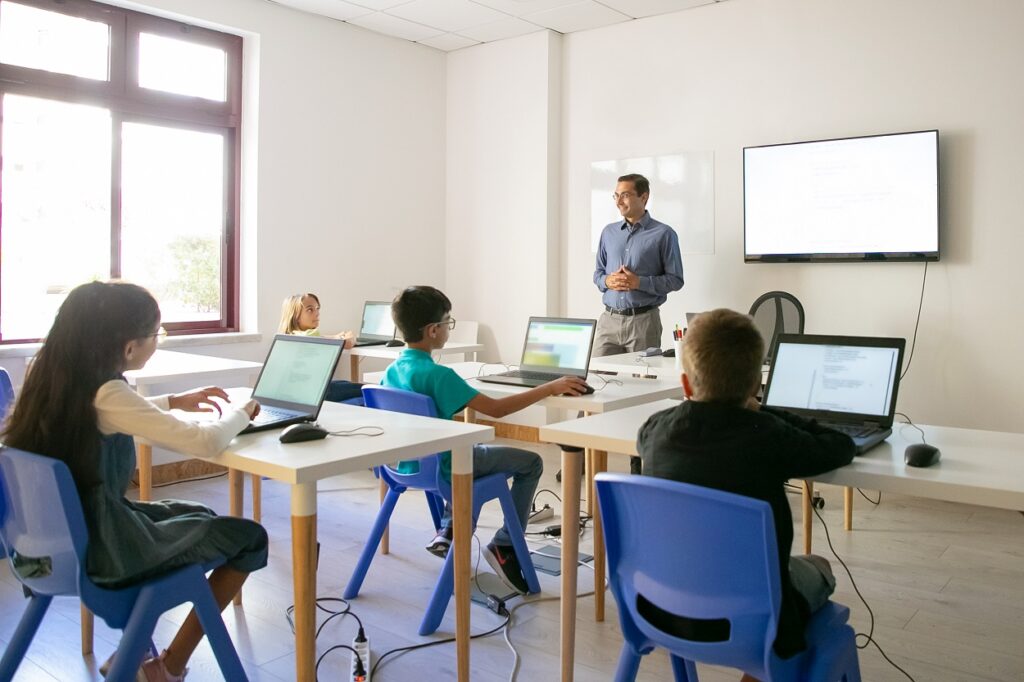
Why Leadership Skills Matter in School
Leadership skills help students become independent thinkers and effective communicators. They encourage teamwork, resilience, creativity, and accountability—qualities that benefit students throughout their academic journey and professional lives.
Students with strong leadership skills often demonstrate:
- Better communication abilities
- Improved problem-solving skills
- Greater self-confidence
- Strong teamwork and collaboration
- Responsible decision-making
- Adaptability in changing situations
Developing these skills at an early age helps students face future challenges with confidence.
The Classroom: The First Step Toward Leadership
Leadership development often begins inside the classroom. Teachers encourage students to express their ideas, participate in discussions, present projects, and work in groups. These experiences help students build confidence while learning to respect different perspectives.
Interactive teaching methods such as debates, presentations, collaborative assignments, and inquiry-based learning allow students to take initiative and develop essential leadership qualities.
Many Schools in Bangalore emphasize active participation over passive learning, creating an environment where every student has the opportunity to lead in different ways.
Extracurricular Activities Build Confident Leaders
Leadership extends beyond academics. Schools encourage students to participate in extracurricular activities that promote responsibility and teamwork.
These activities may include:
- Student councils
- Sports teams
- Cultural programs
- Debate and quiz competitions
- Science exhibitions
- Community service projects
- Environmental awareness campaigns
By organizing events, managing teams, and participating in competitions, students gain practical leadership experience that prepares them for real-world responsibilities.
Teachers as Leadership Mentors
Teachers play a significant role in shaping future leaders. They inspire students by encouraging curiosity, critical thinking, and ethical decision-making.
A supportive teacher helps students:
- Build self-confidence
- Learn from mistakes
- Develop communication skills
- Set realistic goals
- Think independently
- Practice empathy and respect
Positive mentorship enables students to recognize their strengths and work on areas that need improvement.
The Importance of Teamwork
Great leaders understand the value of teamwork. Schools create numerous opportunities for students to collaborate through classroom projects, sports, and group activities.
Working with peers teaches students how to:
- Listen actively
- Respect diverse opinions
- Resolve conflicts peacefully
- Delegate responsibilities
- Achieve shared goals
These experiences prepare students for collaborative environments in higher education and future careers.
Encouraging Responsibility and Accountability
Leadership also involves taking responsibility for one’s actions. Schools encourage students to become accountable by assigning responsibilities such as class monitors, house captains, event coordinators, and club leaders.
These roles help students learn:
- Time management
- Organizational skills
- Decision-making
- Accountability
- Discipline
Such responsibilities build confidence while preparing students for leadership roles later in life.
Technology and Leadership Development
Modern education integrates technology into learning, helping students develop digital literacy alongside leadership skills.
Students learn to:
- Conduct research effectively
- Collaborate using digital platforms
- Present ideas creatively
- Solve problems using technology
- Communicate confidently in virtual environments
Many Schools in Electronic City Phase-1 incorporate smart classrooms, project-based learning, and technology-enabled education to prepare students for the evolving global landscape.
Character Building Through Values
Leadership is not only about achievement—it is also about character. Schools emphasize values such as honesty, empathy, respect, integrity, and social responsibility.
Activities like volunteering, community outreach, and environmental initiatives help students understand the importance of giving back to society while developing compassion and ethical leadership.
How Parents and Schools Can Work Together
Leadership development becomes more effective when parents and schools work together.
Parents can support their children’s growth by:
- Encouraging independent thinking
- Allowing age-appropriate decision-making
- Appreciating effort rather than only results
- Promoting reading and curiosity
- Supporting participation in school activities
This partnership creates a consistent learning environment that nurtures confident and responsible future leaders.
Conclusion
Schools play an essential role in preparing students for life beyond academics. Through classroom learning, extracurricular activities, teamwork, mentorship, technology integration, and value-based education, students gradually develop the confidence and skills needed to lead with responsibility and compassion.
Many Schools in Electronic City Phase-1 and Schools in Bangalore are committed to holistic education that focuses on academic excellence while nurturing leadership, creativity, and character. By providing opportunities to explore, collaborate, and take initiative, schools inspire students to become capable leaders who can make meaningful contributions to their communities and the world.
Frequently Asked Questions (FAQs)
1. Why are leadership skills important for students?
Leadership skills help students build confidence, improve communication, solve problems effectively, work collaboratively, and become responsible decision-makers.
2. How do schools develop leadership skills?
Schools develop leadership skills through classroom discussions, student councils, sports, cultural activities, group projects, community service, and mentorship from teachers.
3. What role do teachers play in leadership development?
Teachers encourage critical thinking, confidence, teamwork, and ethical behavior while guiding students to recognize and develop their strengths.
4. How do extracurricular activities improve leadership abilities?
Extracurricular activities provide practical experiences where students learn teamwork, communication, responsibility, planning, and decision-making.
5. Why is holistic education important in Schools in Bangalore?
Many Schools in Bangalore focus on holistic education to ensure students achieve academic success while also developing leadership, creativity, emotional intelligence, and life skills.
6. What should parents look for when choosing Schools in Electronic City Phase-1?
Parents should consider factors such as academic excellence, experienced faculty, extracurricular opportunities, leadership development programs, infrastructure, student well-being, safety, and a balanced approach to holistic education.